🍂 Fall Allergies Are Still Here – Don’t Let Your Pet Suffer! 🐾
Allergies aren’t just a spring problem. Fall and winter can trigger itching, ear infections, and skin irritation.
We offer 💊 Cytopoint, Apoquel, Zenrelia, and soothing 🛁 shampoos to help your pet feel better fast.
Call Our Office Today to Speak with Our Team to Learn More or to Schedule Your Appointment!
The value of regular veterinary check-ups cannot be overstated, as they consistently uncover silent health threats impacting companion animals. Dogs and cats are evolutionary masters at concealing pain, physical weakness, and subtle discomfort. In the wild, displaying vulnerability invites predation or social exile within the pack, and our domesticated companions retain these deep-seated survival instincts today. Routine examinations are far more than cursory physical assessments or simple needle pricks; they serve as a critical defense against insidious conditions that pet parents often overlook. By visiting local vet clinics, owners establish a proactive health baseline, granting medical experts the chance to intervene long before an emerging illness deteriorates their pet's long-term quality of life.
Evaluating the Vital Role of Routine Wellness Exams
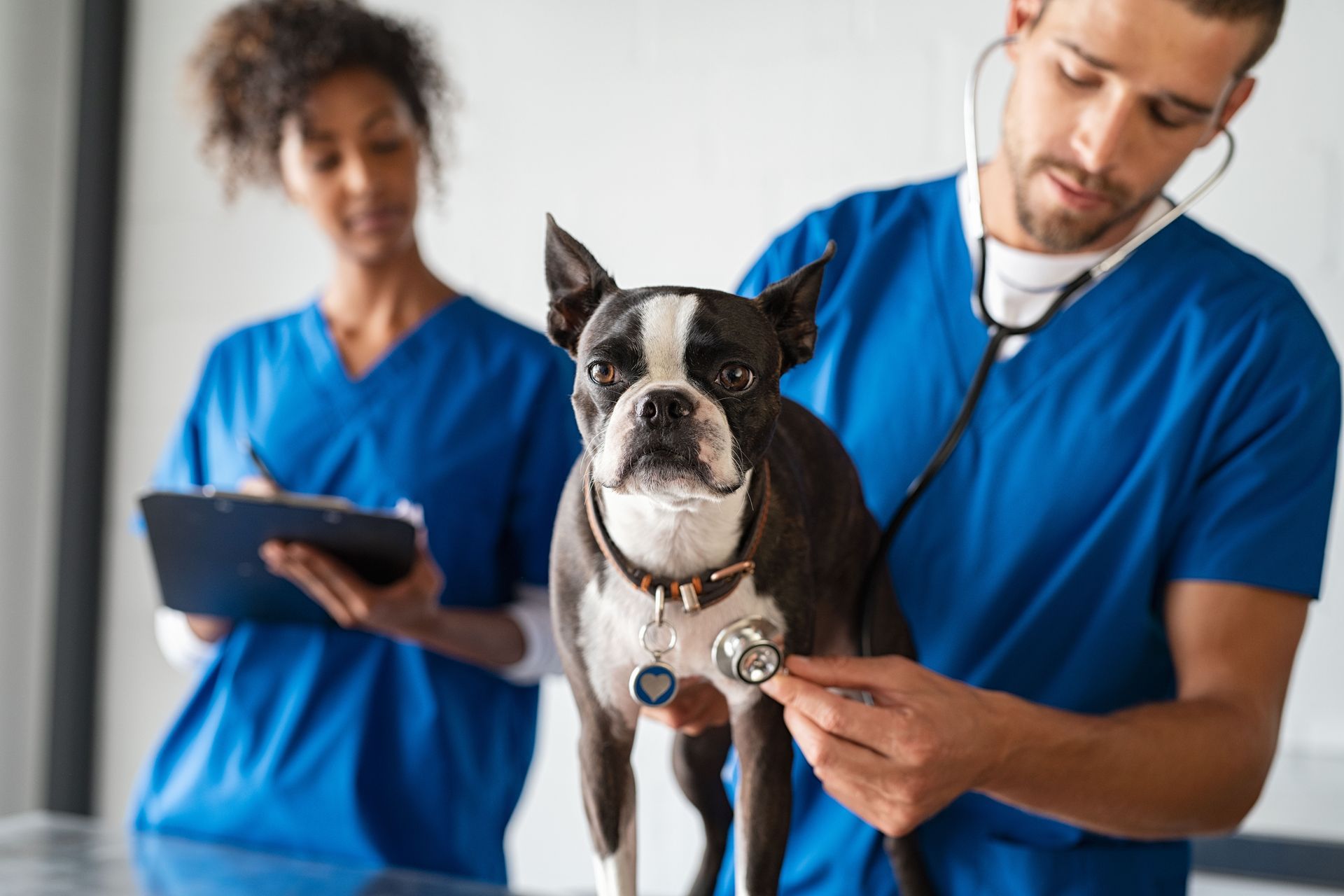
Routine wellness checks provide veterinarians with an indispensable opportunity to observe physiological changes over time. Subtle deviations in baseline metrics, such as gradual weight gain, mild heart murmurs, micro-changes in eye clarity, or minor lymph node enlargements, rarely trigger obvious behavioral red flags at home. Veterinary professionals rely on thorough hands-on physical exams, palpatory diagnostic skills, and careful stethoscope evaluations to evaluate all primary bodily systems. When families consistently bring their companions into regional animal practices, doctors can identify microscopic shifts that would otherwise escape casual daily observation. Early clinical intervention preserves animal vitality, improves therapeutic prognoses, and spares families from navigating painful, costly emergency interventions later on.
Identifying the Subtle Onset of Periodontal Disease
Dental health is one of the most frequently neglected facets of companion animal care, yet it constitutes one of the most widespread clinical issues seen across veterinary medicine. By three years of age, a significant majority of dogs and cats exhibit identifiable signs of periodontal disease. The pathology begins quietly when oral bacteria mingle with food remnants and salivary proteins to form invisible plaque. If this sticky film is not brushed away, it mineralizes into hard calculus, triggering progressive gingivitis marked by swollen, inflamed gums and sensitive margins. Advanced dental assessments performed at vet clinics reveal plaque and calculus hidden deep beneath the gumline, long before pets display overt discomfort, behavioral irritability, or reluctance to chew their daily kibble.
Halting the Systemic Consequences of Oral Infections
Untreated oral disease is not merely a localized cosmetic issue or a source of foul breath; it represents a persistent, hazardous reservoir of toxic bacteria. When chronic gingivitis destroys the periodontal ligament and destabilizes tooth roots, virulent oral bacteria slip into the bloodstream. Once circulating systemically, these harmful microbes can colonize vital internal organs, precipitating micro-abscesses and chronic inflammation in the kidneys, liver, and delicate heart valves. Furthermore, conditions like feline tooth resorption inflict deep, uncommunicated pain that can drastically diminish an animal's daily happiness. Preventive guidance provided by modern vet clinics empowers owners to practice daily brushing, utilize veterinarian-approved dental chews, and schedule professional ultrasonic cleanings under anesthesia to eliminate deep subgingival tartar before permanent systemic damage occurs.
Assessing the Hidden Dangers of Pet Obesity
Pet obesity has reached epidemic proportions in recent years, posing severe long-term dangers that can shorten a beloved pet's natural life expectancy by more than two full years. Because weight gain often occurs incrementally over months or years, caregivers rarely realize that their animal has crossed into an unhealthy body condition score. Extra adipose tissue is not inert storage; it acts as an active endocrine organ that continually secretes pro-inflammatory cytokines into the bloodstream, worsening osteoarthritis and accelerating joint degeneration. Furthermore, excess weight directly elevates the risk of feline diabetes mellitus, canine pancreatitis, respiratory fatigue, and cardiovascular strain. Routine weigh-ins at accredited vet clinics help establish accurate body condition scores, illuminating gradual weight creep before severe joint degradation compromises overall mobility and comfort.
Implementing Targeted Diets and Structured Exercise
Reversing pet obesity requires a comprehensive and carefully structured nutritional strategy rather than simple, unmonitored portion deprivation. Abruptly reducing caloric intake can cause serious nutritional deficiencies or, in overweight felines, trigger hepatic lipidosis, a life-threatening acute liver condition. Successful weight loss combines veterinarian-formulated therapeutic diets with precise portion measurements, mindful treat distribution, and structured daily physical activities suited to the individual pet. Medical weight loss programs supervised by vet clinics offer structured nutritional plans that preserve lean muscle mass while burning excess fat reserves efficiently. By establishing realistic exercise routines that protect vulnerable joints, veterinarians guide owners toward sustainable lifestyle changes that restore their pet's natural vitality, flexibility, and daily stamina.
Diagnosing Dangerous Parasite Infestations in Pets
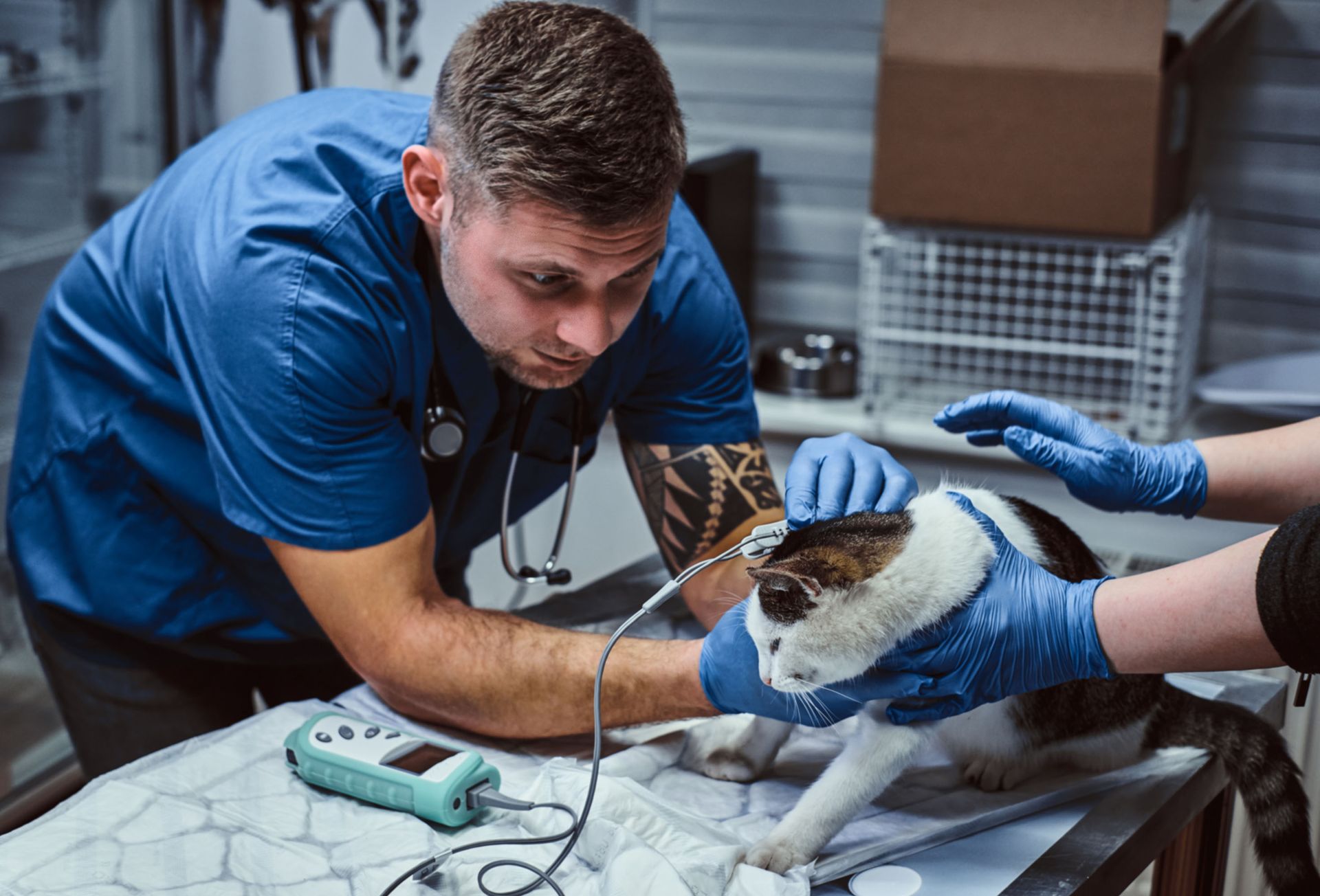
Parasites represent another stealthy menace that thrives unseen within animal hosts or amidst exterior fur. External parasites, such as fleas and deer ticks, do far more than cause uncomfortable itching; they can cause severe flea-allergy dermatitis, life-threatening anemia in young animals, and transmit debilitating tick-borne illnesses such as Lyme disease, anaplasmosis, and ehrlichiosis. Internally, intestinal worms like roundworms, hookworms, and whipworms sap vital nutrients from the digestive tract, often causing subclinical distress before overt vomiting or diarrhea appears. Even more perilous are heartworms, which mosquitoes transmit directly into the bloodstream, where they mature into foot-long worms residing in pulmonary arteries. Diagnostic fecal floats and blood tests conducted at vet clinics detect microscopic worms and early heartworm antigens before irreversible cardiopulmonary lesions or fatal congestive heart failure develop.
Administering Essential Vaccines for Disease Prevention
Vaccination is arguably one of the most remarkable triumphs in modern veterinary medicine. Routine immunization schedules coordinated by vet clinics establish crucial herd immunity against lethal infectious diseases like parvovirus, distemper, feline panleukopenia, and rabies. Rabies, a zoonotic disease with a near-hundred-percent fatality rate once clinical symptoms manifest, was once a widespread terror among pet-owning households. According to Johns Hopkins, in large part to public health surveillance and successful vaccination of pets over the last several decades, less than 10% of U.S. rabies cases occur in domesticated pets. This remarkable public health achievement demonstrates how routine preventative vaccinations transform community health and protect both animals and human family members from lethal viral exposures.
Managing Latent Organ Dysfunction and Chronic Illness
Internal diseases, including chronic renal failure, endocrine imbalances, and liver disorders, frequently advance in complete silence during their initial stages. For example, feline kidneys can compensate remarkably well for progressive cellular damage, with clinical symptoms like excessive thirst and increased urination appearing only after more than two-thirds of functioning nephrons have been permanently lost. Similarly, canine endocrine diseases like Cushing's syndrome or hypothyroidism develop so insidiously that caregivers often dismiss early lethargy or coat thinning as normal aging. Comprehensive wellness blood panels processed through vet clinics help detect early kidney decline, elevated liver enzymes, and hormonal irregularities years before an animal reaches a severe clinical crisis.
Choosing Dedicated Medical Guidance for Lifelong Wellness
Protecting companion animals from hidden health threats requires an ongoing, collaborative relationship between vigilant pet parents and dedicated veterinary medical teams. While attentive at-home observations provide crucial clues about appetite and daily energy, only thorough physical evaluations and state-of-the-art diagnostic screening can unveil the silent disorders developing beneath the surface. Consistent preventive care eliminates avoidable suffering, mitigates emergency medical costs, and maximizes the vibrant years you share with your beloved four-legged companions. If you want to ensure your pet remains vibrant, happy, and fully protected against unseen medical dangers, do not wait for overt symptoms to appear. Schedule an appointment with Germantown Farmington Animal Hospital today to safeguard your companion's health and happiness for years to come.