
🍂 Fall Allergies Are Still Here – Don’t Let Your Pet Suffer! 🐾
Allergies aren’t just a spring problem. Fall and winter can trigger itching, ear infections, and skin irritation.
We offer 💊 Cytopoint, Apoquel, Zenrelia, and soothing 🛁 shampoos to help your pet feel better fast.
Call Our Office Today to Speak with Our Team to Learn More or to Schedule Your Appointment!
Living alongside a companion animal brings immense joy, yet pets instinctively conceal physical vulnerability. In the wild, showing weakness invites danger from predators. Domestic pets retain this survival instinct even in safe households. Because animals cannot voice distress, slight adjustments in posture, appetite, and energy often serve as the sole markers of emerging medical issues. Distinguishing normal quirks from clinical concerns is difficult, allowing subtle symptoms to slip unnoticed until illnesses become acute.
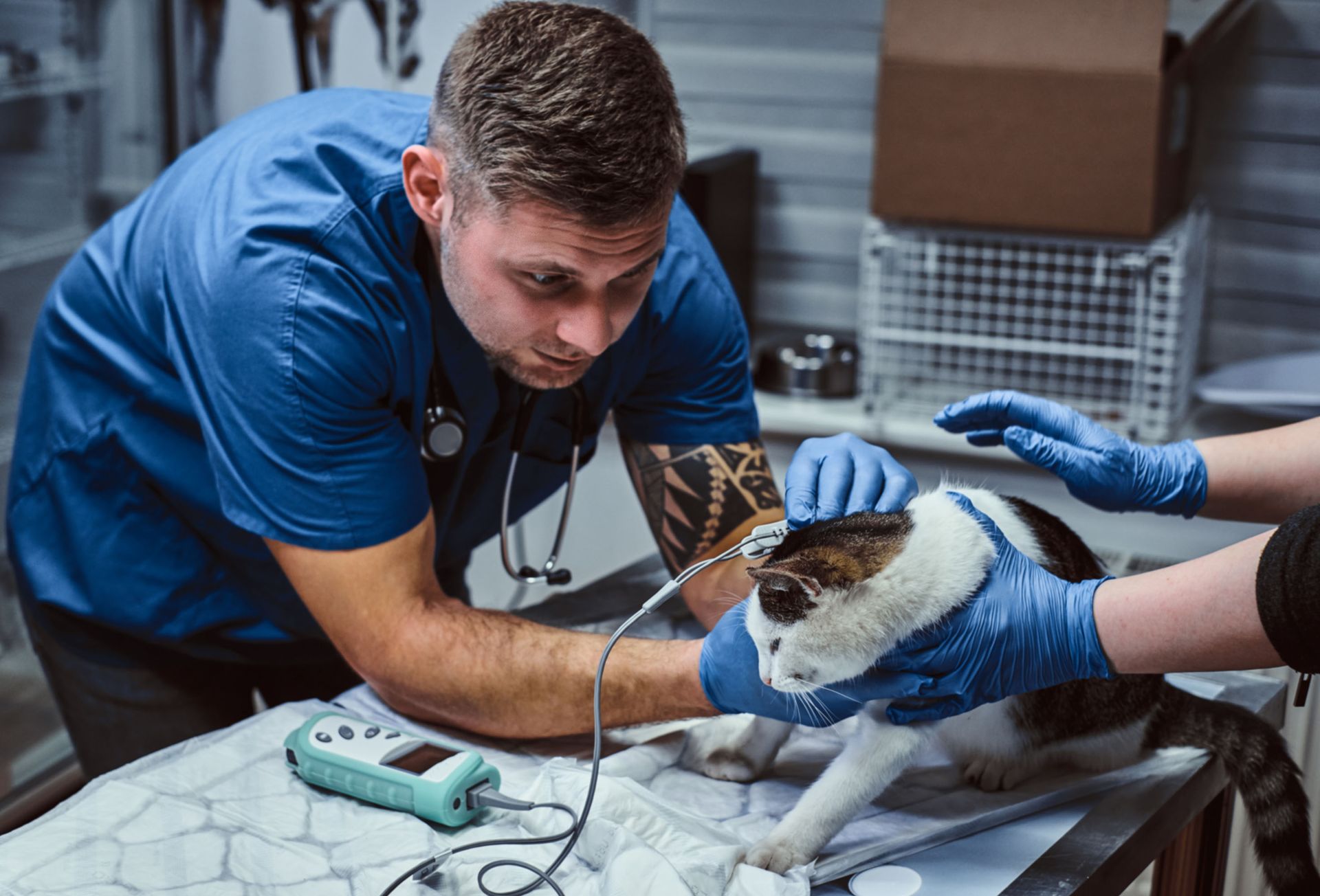
Experienced practitioners approach these nuances through a trained clinical lens. With backgrounds in pathology, physical diagnostics, and animal behavior, clinicians recognize quiet signs of disease long before overt pain emerges. Routine wellness checks provide vital opportunities to identify brewing troubles, run baseline diagnostics, and intervene early enough to protect longevity. Understanding what clinicians look for helps owners become far more attuned guardians at home.
Detecting Subtle Shifts in Everyday Activity Levels
A pet's baseline energy level is a reliable barometer of systemic wellness, yet activity changes often occur so gradually that families barely register them. An aging dog taking extra seconds to stand or a cat avoiding high perches is frequently dismissed as simple aging. In reality, these micro-adjustments often represent early degenerative joint disease, spinal inflammation, or cardiovascular strain.
Conversely, unexpected restlessness can be just as concerning as lethargy. An inability to settle at night, repetitive pacing, or heightened reactivity to sounds can stem from chronic discomfort, metabolic disorders, or neurological distress. During regular checkups, veterinarians analyze these activity fluctuations alongside targeted physical palpation. By manipulating joints and assessing spinal reflexes, clinicians discover musculoskeletal and systemic disorders long before an animal begins limping.
Recognizing Muted Signals of Pain and Discomfort
Dogs and cats rarely cry out when enduring moderate pain. Instead, physical discomfort manifests in restrained body language that requires a trained eye to decipher. A cat experiencing abdominal cramping might adopt a tense posture with paws tucked beneath its chest, squinting slightly while maintaining a quiet vigil. A dog struggling with soft tissue soreness might subtly shift weight, alter tail carriage, or pant during rest.
These understated cues frequently go unnoticed by household members who assume a quiet animal is relaxed. Experienced veterinarians evaluate involuntary abdominal tension, subtle resistance during range-of-motion testing, and facial grimace markers that indicate chronic stress. Detecting pain early allows for compassionate intervention, preventing chronic sensitization of the nervous system and preserving daily comfort.
Monitoring Gradual Changes in Daily Eating Habits
Appetite serves as a window into gastrointestinal function, metabolic balance, and emotional state. While complete food refusal triggers immediate concern, subtle modifications in feeding style are easier to overlook. An animal might chew on one side of its mouth, drop kibble, lick its lips after eating, or walk away midway through meals. These shifts regularly signal oral ulcerations, fractured roots, or digestive inflammation.
On the other hand, voracious hunger paired with weight loss can point toward endocrine conditions like feline hyperthyroidism or canine diabetes. When assessing these patterns, veterinarians look past broad appetite descriptions to examine chewing mechanics, swallowing efficiency, and hydration status. Metabolic blood panels and urinalysis then help distinguish between behavioral pickiness and systemic diseases before malnutrition or dehydration takes hold.
Evaluating External Irregularities in Skin and Fur
A companion animal's coat is a direct mirror of internal health. Normal coats display natural luster, whereas systemic illness often manifests through dull, brittle, or greasy fur. Pet parents may attribute shedding or dry skin to seasons, overlooking that hormonal disruptions like hypothyroidism or Cushing's disease frequently begin with hair thinning and flaking.
Furthermore, casually petting an animal rarely reveals deep-seated dermal irregularities. Veterinarians perform methodical dermatological sweeps, feeling beneath the coat across high-risk areas, including the groin, axillae, and skull base. Finding tiny nodules, cysts, or firm subcutaneous growths early allows for prompt diagnostic cytology, preventing benign growths from complicating or malignant tumors from spreading.
Uncovering Silent Forms of Periodontal Disease
Oral pathology remains among the most widespread yet neglected categories of pet illness. Many pet owners mistakenly assume that bad breath is simply a normal trait rather than a primary indicator of bacterial infection. Bacterial plaques destroy periodontal ligaments, erode bone structures, and trigger severe inflammation beneath the gumline.
According to the American Animal Hospital Association, veterinarians found 27.8% of dogs and 41.7% of cats had diseased teeth. Because domestic pets possess an instinctive drive to feed despite profound oral pain, they frequently continue eating normal kibble while suffering from deep-rooted abscesses and resorptive lesions. By performing meticulous oral exams and probing beneath the gingival margin, veterinarians identify advanced periodontal issues and implement professional dental cleaning, radiologic assessment, and surgical extraction before dangerous bacteria migrate into vital organs.
Tracking Unexplained Fluctuations in Body Weight
Weight fluctuations in companion animals often occur on such an incremental scale that families fail to detect them during everyday interactions. A gradual loss of ounces in a cat or pounds in a dog represents a significant percentage of overall body mass. Such losses frequently indicate chronic renal insufficiency, malabsorption, or malignancy. Insidious weight gain similarly strains joints and elevates pancreatitis risks.
Clinical examinations eliminate the guesswork of body condition through precision scales and standardized scoring rubrics. During regular wellness reviews, veterinarians compare historical metrics against present figures, examining muscle wasting across the lumbar spine and temporal bones. Identifying subtle metabolic shifts enables tailored nutritional therapy, caloric adjustments, and targeted diagnostic testing before vital organ reserves become compromised.
Identifying Gradual Declines in Sensory and Joint Mobility
Senior pets navigate environmental changes with remarkable adaptability, often compensating for diminishing senses so effectively that owners remain unaware. Cataract formation may cause gradual vision impairment, while progressive hearing loss might initially look like stubbornness. Pets often map homes by scent and muscle memory, masking sensory deterioration until furniture is rearranged or an unfamiliar environment creates disorientation.
Similarly, cognitive dysfunction syndrome can mimic harmless eccentricities of advanced age. Nighttime pacing, staring into corners, or momentary confusion at doorways are symptoms that clinical teams evaluate with targeted cognitive screenings. By conducting detailed ophthalmologic exams, otic assessments, and joint palpation, veterinarians uncover sensory deficits and early arthritis. Implementing environmental modifications, neuroprotective diets, and anti-inflammatory therapies helps aging companions maintain comfort throughout their golden years.
Addressing Latent Symptoms of Respiratory and Organ Disease
Respiratory and gastrointestinal abnormalities often present with fleeting signs that pet parents dismiss as isolated occurrences. A soft cough after rising can easily be attributed to minor throat irritation, yet auscultation may reveal early congestive heart failure, bronchial inflammation, or tracheal collapse. Occasional vomiting or loose stools might similarly indicate inflammatory bowel disease, food sensitivities, or parasitic infection.
Trained medical teams utilize stethoscopes to detect faint heart murmurs, pulmonary crackles, and subtle wheezes that never produce audible sounds in a quiet room. Palpating the abdomen reveals thickened intestinal loops, enlarged lymph nodes, or organ enlargement that demands prompt ultrasound imaging. Early clinical intervention stops mild gastrointestinal or pulmonary distress from escalating into debilitating chronic conditions.
Supporting Comprehensive Wellness Through Preventative Exams
Preserving the vitality of our four-legged companions requires continuous vigilance, scientific expertise, and open communication between families and healthcare providers. Because animals instinctively camouflage illness, waiting for unmistakable signs of distress often allows treatable conditions to become advanced disorders. Comprehensive routine examinations unveil hidden physiological shifts that love and daily companionship alone cannot spot.
Ensuring your pet receives diligent clinical assessments is the single most effective gift you can provide for their sustained happiness. To safeguard your companion's health and detect hidden medical concerns early, contact Germantown Farmington Animal Hospital to schedule your pet's comprehensive physical examination today.