🍂 Fall Allergies Are Still Here – Don’t Let Your Pet Suffer! 🐾
Allergies aren’t just a spring problem. Fall and winter can trigger itching, ear infections, and skin irritation.
We offer 💊 Cytopoint, Apoquel, Zenrelia, and soothing 🛁 shampoos to help your pet feel better fast.
Call Our Office Today to Speak with Our Team to Learn More or to Schedule Your Appointment!
Annual wellness exams are essential for maintaining the health and well-being of pets. These routine check-ups play a significant role in preventive care, enabling early detection of potential health issues. As responsible pet owners, it is important to provide companion animals with the care they need to thrive. According to Forbes, 66% of U.S. households own a dog. Many animal hospitals encourage regular wellness visits because they support long-term health and quality of life.
Essential Wellness Exams
Understanding the Purpose
Wellness exams are routine check-ups designed to evaluate the general health of pets. These exams assess various health factors and help pets remain in good condition throughout their lives. By regularly monitoring health, veterinarians can identify potential concerns before they develop into more serious conditions. Wellness exams also provide opportunities to discuss nutrition, preventive care, and other aspects of pet ownership.
Scheduling Routine Visits
The frequency of wellness exams often depends on a pet's age, breed, and health status. Most pets benefit from annual wellness visits, while younger and senior animals may require more frequent evaluations. Scheduling appointments consistently helps maintain accurate health records and allows veterinarians to monitor changes over time. Pet owners can work with their veterinarian to determine an appropriate schedule based on individual needs.
Reviewing Exam Components
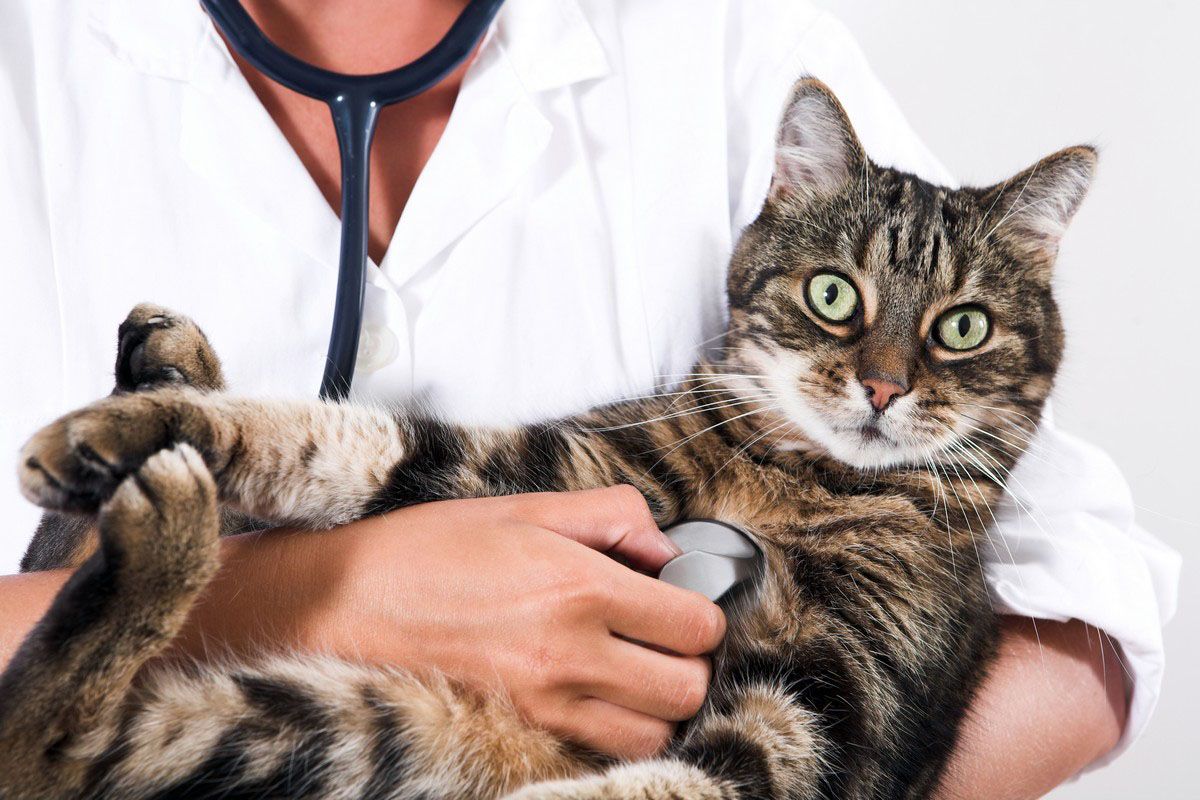
A typical wellness exam includes several components intended to provide a complete overview of a pet's health. Physical examinations help identify signs of illness or abnormalities, while vaccinations and diagnostic evaluations may also be recommended. Many animal hospitals include discussions about nutrition, preventive care, and lifestyle factors as part of these visits. Each aspect of the examination supports ongoing health management.
Preventive Pet Care
Detecting Health Issues Early
One of the primary benefits of wellness exams is the early detection of health concerns. Identifying potential issues in their initial stages allows for prompt evaluation and care. Veterinarians can recognize subtle changes that may not be obvious to pet owners. Early identification may support better outcomes and allow for more informed treatment decisions.
Updating Vaccinations
Keeping vaccinations current is an important component of preventive care. Wellness exams provide opportunities to review vaccination schedules and determine whether updates are appropriate. Preventive care recommendations may vary depending on age, lifestyle, and health status. Many animal hospitals review these recommendations during routine visits to support ongoing health.
Evaluating Dental Health
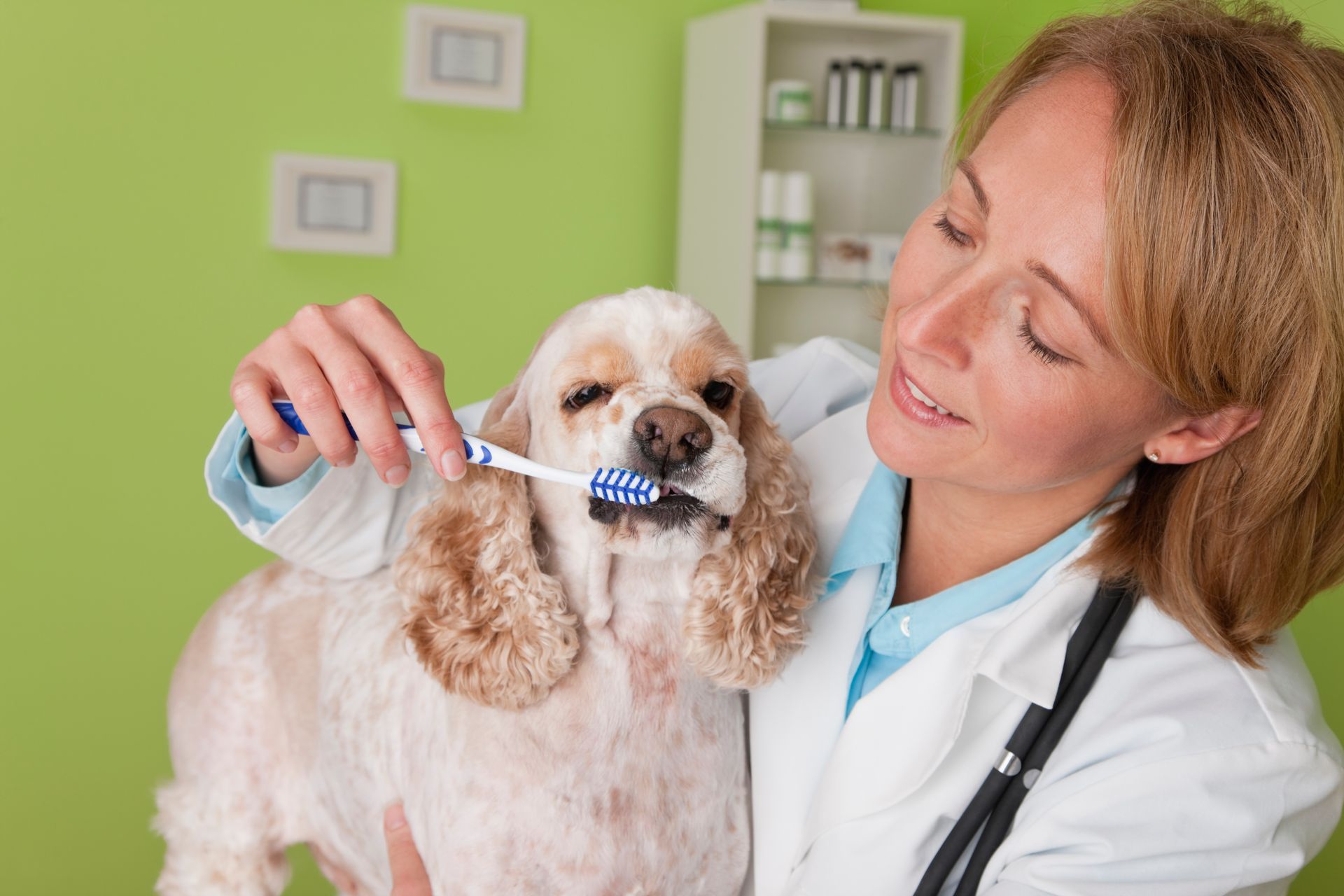
Dental health is an important aspect of overall well-being and is often evaluated during wellness visits. Dental concerns may affect comfort, eating habits, and general health. Veterinarians can examine the teeth and gums and recommend additional care when needed. Monitoring oral health during routine exams helps identify concerns before they progress.
Valuable Health Monitoring
Building Health Records
Routine wellness exams help establish a comprehensive health history for pets. Medical records provide valuable information that can assist with future evaluations and treatment decisions. Many animal hospitals maintain these records to monitor trends and support individualized recommendations. Accurate health histories also contribute to continuity of care throughout a pet's life.
Reducing Long-Term Costs
Preventive care through routine wellness exams may help reduce the need for more extensive treatment later. Identifying health concerns early can allow for timely intervention and monitoring. Regular examinations also provide opportunities to address minor concerns before they progress. Long-term preventive care can contribute to better health management over time.
Improving Quality of Life
Regular wellness exams support a pet's quality of life by promoting ongoing health and identifying concerns early. Routine evaluations help ensure that pets remain comfortable and active while allowing veterinarians to monitor changing health needs. Maintaining good health contributes to a more enjoyable and active life for pets and their owners.
Ongoing Health Concerns
Managing Chronic Conditions
Routine wellness exams play an important role in monitoring chronic health conditions. Regular evaluations allow veterinarians to assess changes, review treatment plans, and monitor ongoing health concerns. Consistent care supports informed decision-making and may help maintain quality of life for pets with long-term medical needs.
Identifying Breed Risks
Some breeds may be predisposed to certain health conditions. Wellness exams provide opportunities to monitor for potential concerns and discuss preventive strategies. Awareness of breed-related risks can help guide health monitoring and support individualized care recommendations. Early recognition of potential issues may contribute to better health outcomes.
Managing Seasonal Allergies
Seasonal and environmental factors may affect some pets throughout the year. Symptoms such as skin irritation or changes in comfort levels can be discussed during wellness visits. Evaluating these concerns allows veterinarians to recommend appropriate management strategies based on a pet's individual needs. Ongoing monitoring may help prevent minor concerns from becoming more serious.
Long-Term Pet Health
Using Diagnostic Testing
Diagnostic testing can provide valuable information during wellness visits. Laboratory testing, imaging services, and other diagnostic tools may help identify underlying conditions before symptoms become more noticeable. Many animal hospitals use these services to support informed treatment decisions and monitor existing conditions. Diagnostic evaluations remain an important part of preventive veterinary care.
Assessing Dental Health
Dental evaluations often take place during annual exams because oral health affects many aspects of a pet's well-being. Veterinarians may look for signs of tartar buildup, gum disease, damaged teeth, or other concerns. Identifying dental problems early may help prevent discomfort and additional health complications. Ongoing dental care supports overall health throughout a pet's life.
Monitoring Senior Pets
Older pets often benefit from more frequent evaluations because health needs can change with age. Wellness visits allow veterinarians to monitor mobility, appetite, weight, and other age-related factors. Many animal hospitals recommend consistent monitoring for senior pets to help identify changes that may require additional attention. Regular assessments can support comfort and quality of life.
Positive Exam Experiences
Preparing for Appointments
Proper preparation can improve the effectiveness of wellness exams. Pet owners may benefit from bringing information about changes in appetite, activity levels, behavior, or other health concerns. Making notes before appointments can help ensure important topics are discussed. Preparation supports productive conversations and informed healthcare decisions.
Asking Important Questions
Wellness exams provide opportunities to discuss concerns about nutrition, exercise, preventive care, or changes in health. Asking questions helps pet owners better understand recommendations and participate in ongoing care decisions. Open communication contributes to a collaborative approach to maintaining a pet's health. These conversations can also help establish clear expectations for future visits.
Reviewing Test Results
Diagnostic findings and examination results can help guide future care recommendations. Veterinarians may discuss additional monitoring, preventive care strategies, or follow-up evaluations when appropriate. Many animal hospitals provide guidance regarding next steps so pet owners can make informed decisions about ongoing care. Understanding recommendations supports long-term health management.
Building Lasting Relationships
Regular wellness visits promote familiarity and communication between pet owners and veterinary professionals. Ongoing care allows for better understanding of a pet's medical history and changing health needs. Establishing continuity in care supports informed decision-making and long-term health management.
Annual wellness exams play an important role in supporting a pet's health and quality of life. At Germantown Farmington Animal Hospital, we provide wellness care, diagnostic services, dental evaluations, and preventive support to help pets receive attentive care throughout our community. As one of the animal hospitals serving local pet owners, we encourage families to learn more about our services and how regular veterinary visits can contribute to long-term well-being.