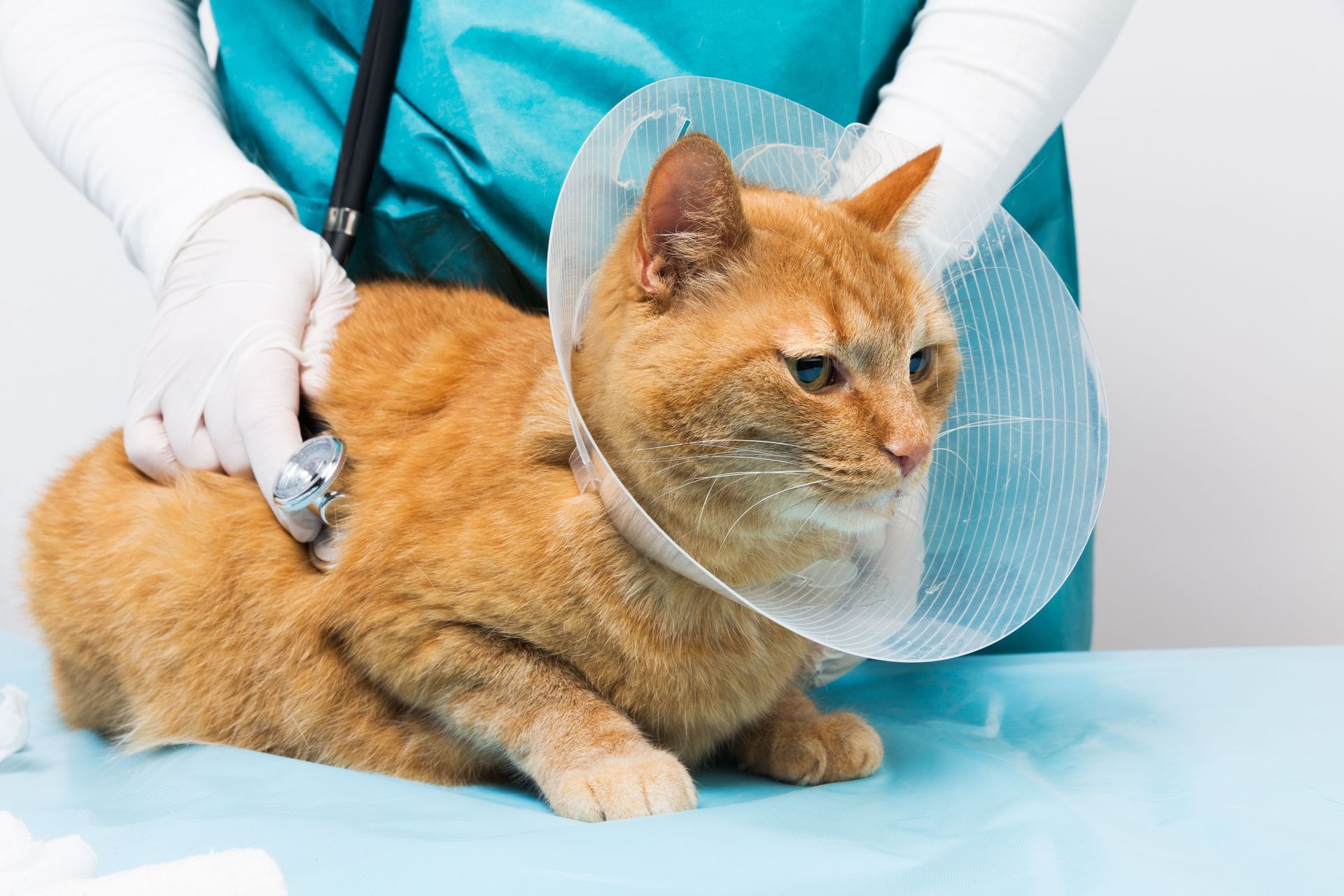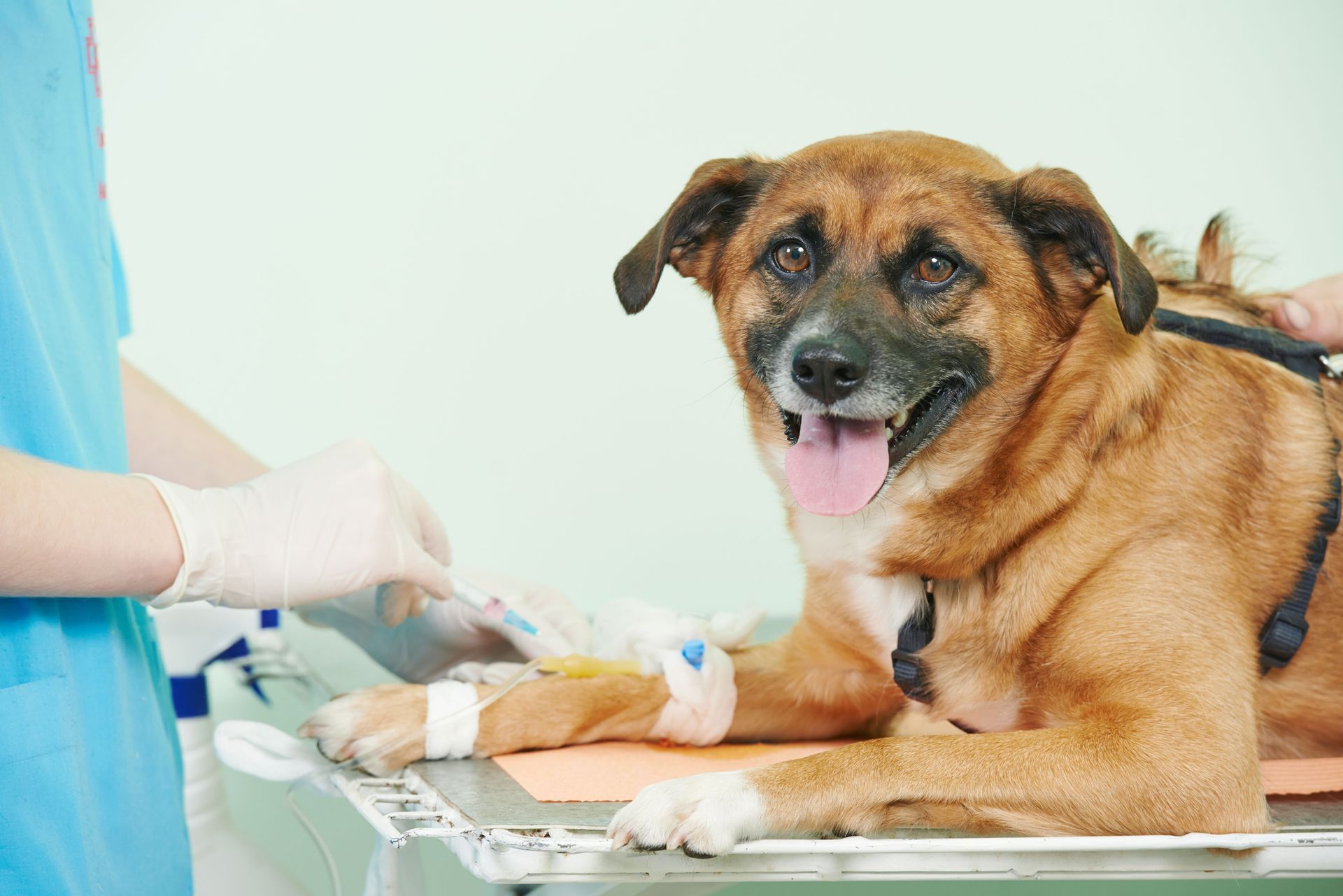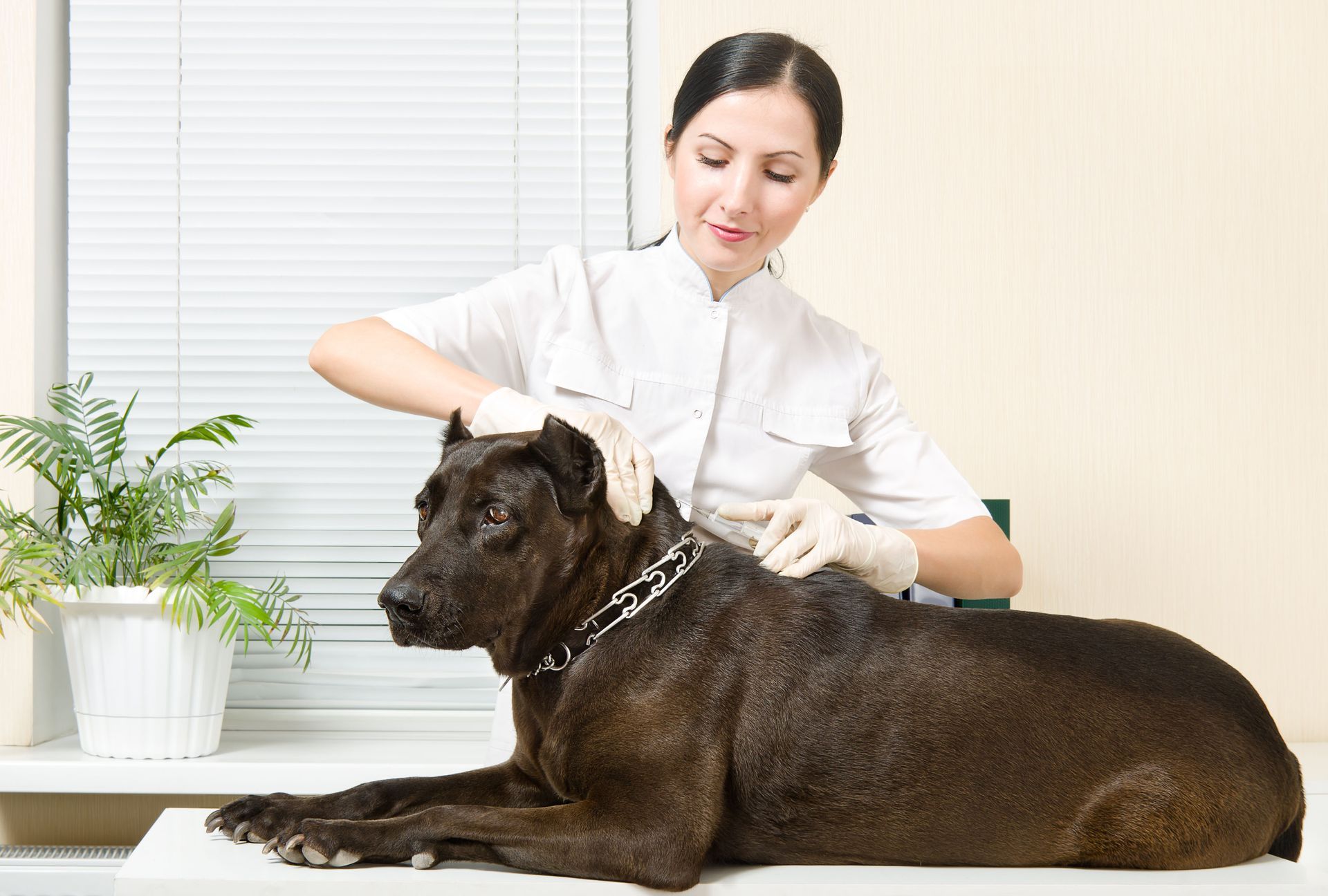

🍂 Fall Allergies Are Still Here – Don’t Let Your Pet Suffer! 🐾
Allergies aren’t just a spring problem. Fall and winter can trigger itching, ear infections, and skin irritation.
We offer 💊 Cytopoint, Apoquel, Zenrelia, and soothing 🛁 shampoos to help your pet feel better fast.
Call Our Office Today to Speak with Our Team to Learn More or to Schedule Your Appointment!
November 10, 2026
Each pet has a distinct combination of health characteristics that influences its veterinary care. Breed-related conditions, previous illnesses, activity levels, body condition, and environmental factors can all affect which preventive measures or treatments are appropriate. Vet clinics can review these details during examinations and use them to guide recommendations for the individual animal. This personalized approach helps ensure that decisions reflect the pet's actual needs rather than generalized assumptions.
A comprehensive medical history also gives veterinary professionals useful context when new symptoms develop. Changes in appetite, behavior, mobility, or energy may have different implications depending on an animal's age and previous health concerns. By maintaining records of examinations, vaccinations, medications, and diagnostic results, veterinary teams can identify patterns over time. This continuity helps support more informed decisions and allows care plans to be adjusted as a pet's needs change.
Preventing Illness Through Routine Examinations
Preventive care helps veterinarians identify potential health concerns before they become more complicated. During routine examinations, a veterinary professional may evaluate a pet's weight, skin, coat, eyes, ears, teeth, heart, and overall physical condition. The examination can also provide an opportunity to discuss nutrition, activity, parasite prevention, and vaccination needs. Recommendations should reflect the pet's health status, age, lifestyle, and exposure to specific risks.
Regular visits are valuable even when an animal appears healthy. Pets may not show obvious signs of discomfort during the early stages of certain illnesses, and subtle changes can be difficult for owners to recognize. A veterinary team familiar with the animal's history may be better positioned to notice changes that deserve further evaluation. Establishing a consistent preventive care schedule supports early assessment and helps owners understand which health measures are appropriate for their pets.
Tailoring Nutrition and Weight Management Plans
Nutrition affects many aspects of an animal's well-being, including energy, mobility, digestion, and body condition. However, feeding recommendations can vary significantly according to species, age, size, activity level, reproductive status, and medical history. Veterinary professionals can help owners evaluate whether a pet's current diet supports its individual needs. They can also recommend adjustments when growth, weight changes, allergies, or diagnosed health conditions affect nutritional requirements.
Weight management is another area where individualized guidance can make a difference. Excess body weight may contribute to joint strain and other health complications, while unexplained weight loss can indicate an underlying medical issue. A veterinarian can assess body condition, review feeding practices, and recommend a suitable plan based on the animal's circumstances. Follow-up appointments help monitor progress and determine whether the recommendations need to be adjusted over time.
Managing Dental Health and Oral Conditions
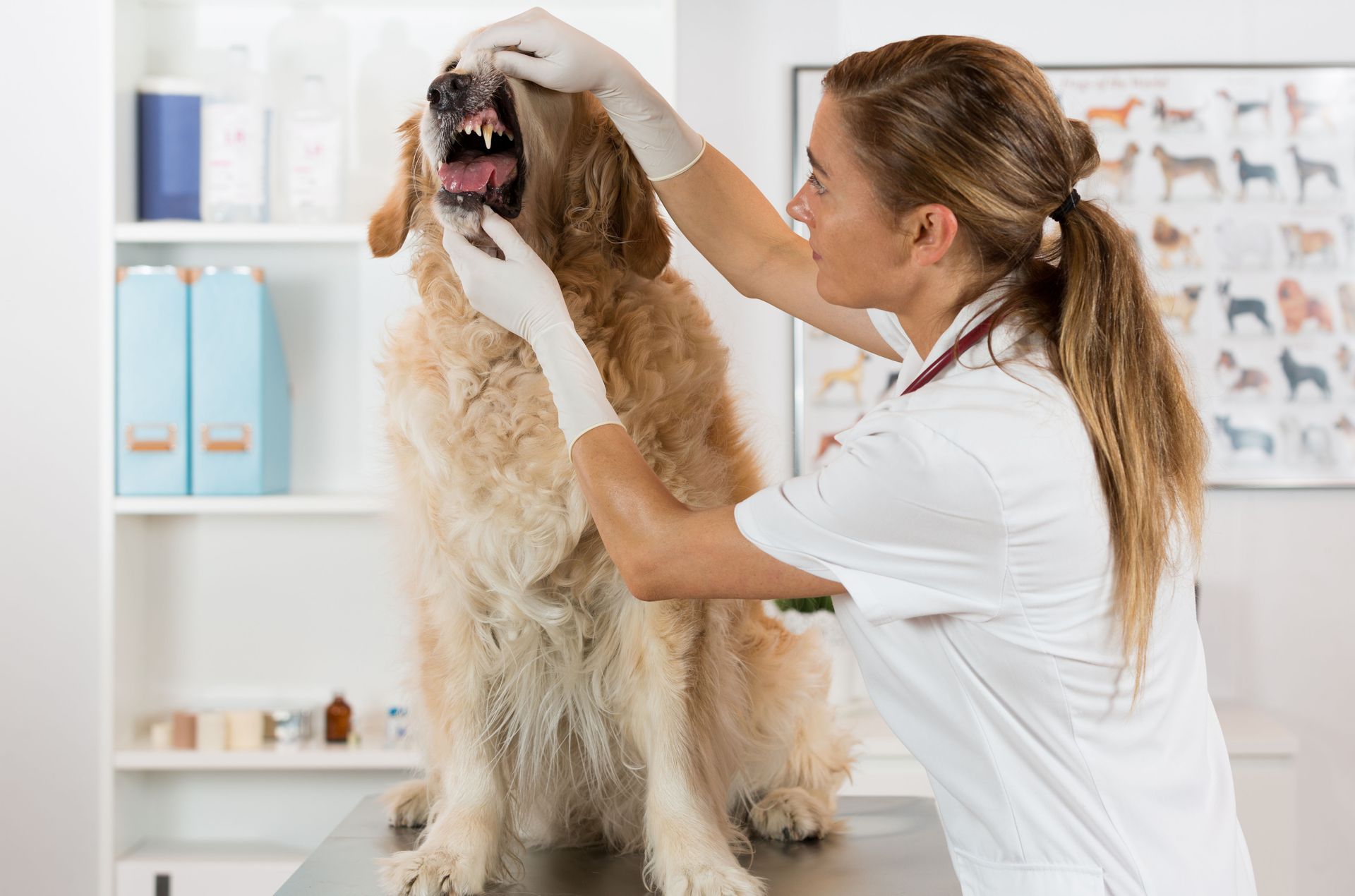
Dental health is an important part of comprehensive veterinary care because oral discomfort can affect eating, behavior, and general well-being. Plaque buildup, gum inflammation, damaged teeth, and periodontal disease may develop without obvious warning signs. During an oral examination, a veterinary professional can assess visible concerns and determine whether further evaluation or professional dental treatment is needed. Recommendations depend on the pet's age, oral condition, and individual risk factors.
According to Chewy, adult dogs typically have 42 teeth, with 20 in the upper jaw and 22 in the lower jaw. This complex arrangement makes regular dental assessment useful for identifying problems involving individual teeth, gums, and surrounding tissues. Veterinary teams can explain appropriate dental care and discuss whether a professional cleaning or additional treatment is warranted. Personalized attention is especially important when an animal has existing dental disease, retained baby teeth, or other oral abnormalities that require monitoring.
Monitoring Development and Age-Related Changes
Pets require different types of care at different life stages. Puppies and kittens need guidance on vaccinations, parasite prevention, nutrition, growth, and early behavioral development. Adult animals benefit from preventive examinations and ongoing monitoring for changes that may emerge with age or lifestyle. Senior pets may need more frequent assessments or additional testing to evaluate mobility, organ function, vision, hearing, and other age-related concerns.
Vet clinics help owners adapt care plans as these needs evolve. For example, an older pet experiencing stiffness may require an evaluation of joint health, while a growing animal may need updated nutritional recommendations. Changes in activity, appetite, sleep, or behavior can also provide useful information during a veterinary visit. Reviewing these developments regularly allows veterinary professionals to recommend appropriate next steps without assuming that every animal follows the same aging pattern.
Detecting Health Problems Through Diagnostic Testing
Physical examinations provide important information, but some conditions require diagnostic testing to understand what is happening inside the body. Depending on the symptoms and medical history, a veterinarian may recommend bloodwork, urine testing, imaging, or other procedures. These tools can help investigate unexplained symptoms, monitor an existing condition, or evaluate health concerns identified during an examination. The choice of testing should be based on the individual pet rather than applied uniformly to every patient.
Diagnostic results are most useful when interpreted alongside the animal's history and current condition. A single result may not provide a complete explanation, so veterinary professionals consider the wider clinical picture when discussing findings. They can explain what the results indicate, whether further testing is necessary, and which treatment options may be appropriate. This process helps pet owners understand the reasoning behind recommendations and make informed decisions about their animal's care.
Coordinating Treatment and Ongoing Health Support
When a pet develops an illness or injury, treatment often involves more than addressing the immediate symptoms. Veterinary professionals may need to consider existing conditions, current medications, age-related factors, and how the proposed treatment will affect the animal's daily life.
Vet clinics can use this information to develop care plans that account for the pet's individual circumstances. Depending on the condition, treatment may involve medication, dietary changes, follow-up examinations, rehabilitation, or referral to a specialist.
Ongoing communication is especially important when managing chronic conditions. Follow-up visits allow the veterinary team to evaluate the pet's response to treatment, monitor potential side effects, and determine whether adjustments are necessary. Owners can also discuss changes they have noticed at home and ask questions about the care plan. This continuing relationship helps keep treatment decisions responsive to the animal's changing needs instead of treating the original diagnosis as a fixed situation.
Building Communication and Confidence With Veterinary Teams
Personalized care works best when pet owners can share observations and understand the recommendations they receive. Veterinary appointments provide an opportunity to discuss changes in behavior, eating patterns, activity, and other concerns that may not be apparent during a brief examination. A clear conversation helps the veterinarian understand the pet's daily routine and explain which issues need attention. It also allows owners to raise questions about treatment options, costs, preventive measures, and follow-up schedules.
Every pet deserves veterinary attention that considers its unique health history, current condition, and stage of life. From preventive examinations and dental assessments to diagnostic testing and treatment planning, individualized care helps address concerns with greater attention to the animal as a whole. Routine visits also give owners an opportunity to discuss questions before they become more difficult to manage. Choosing a veterinary provider for ongoing care can help create consistency as a pet grows and its needs change.
At Germantown Farmington Animal Hospital, we understand that every animal has its own personality, health considerations, and care requirements. Our team is here to help you address your pet's health needs through appropriate examinations, preventive recommendations, and ongoing veterinary support. We encourage you to share your concerns and questions so we can discuss care options suited to your companion. Contact Germantown Farmington Animal Hospital to schedule an appointment and take the next step in supporting your pet's well-being.