
🍂 Fall Allergies Are Still Here – Don’t Let Your Pet Suffer! 🐾
Allergies aren’t just a spring problem. Fall and winter can trigger itching, ear infections, and skin irritation.
We offer 💊 Cytopoint, Apoquel, Zenrelia, and soothing 🛁 shampoos to help your pet feel better fast.
Call Our Office Today to Speak with Our Team to Learn More or to Schedule Your Appointment!
November 9, 2026
Helping pets live longer, healthier lives requires more than treating illnesses when they arise. Preventive care, early disease detection, proper nutrition, and ongoing health monitoring all contribute to a pet's long-term well-being. A local veterinarian plays an important role by providing medical guidance and helping owners make informed decisions throughout every stage of their pets' lives.
From routine examinations to managing age-related conditions, veterinary care addresses immediate health concerns and potential future risks. Building a relationship with a veterinary team gives pets access to services and treatments that support a longer, more comfortable life.
Establishing Strong Preventive Care Practices
Scheduling Regular Health Check-Ups
Routine examinations allow veterinarians to monitor a pet's health, identify early signs of illness, and recommend appropriate interventions. These appointments also give owners opportunities to discuss changes in behavior, eating habits, and activity levels. According to Dogster, three-quarters of pet owners have to wait less than a week to receive vet care, demonstrating that many owners can access veterinary attention without extended delays.
During an examination, a local veterinarian can evaluate weight, dental health, and mobility. Regular visits also establish a medical history, making it easier to recognize unusual changes over time. Addressing concerns early may prevent minor issues from developing into more serious conditions.
Maintaining Appropriate Vaccination Schedules
Vaccinations protect pets against infectious diseases that can threaten their health and longevity. Veterinarians recommend core vaccines based on species and age, along with additional immunizations when a pet's lifestyle creates specific risks. Dogs may need protection against rabies, distemper, and parvovirus, while cats commonly receive vaccines for feline leukemia and other infectious diseases.
Vaccination schedules typically begin during the early months of life and include boosters when appropriate. A local veterinarian can review immunization records, explain recommended vaccines, and help owners keep their pets' protection current. These measures also reduce the spread of certain diseases within the community.
Preventing Internal and External Parasites
Fleas, ticks, heartworms, and intestinal parasites can cause significant health problems when left unmanaged. Preventive medications, regular screenings, and appropriate environmental care help reduce these risks. Depending on the animal's needs, veterinarians may recommend oral medications or topical treatments.
Owners should understand how parasites spread and what symptoms may indicate an infestation. Scratching, skin irritation, digestive problems, and unexplained weight changes can warrant further evaluation. Consistent parasite prevention helps protect pets from complications that could affect their comfort and lifespan.
Supporting Healthy Nutrition
Proper nutrition provides the nutrients pets need to maintain healthy organs, muscles, bones, and immune systems. Dietary requirements vary according to age, breed, weight, activity level, and existing medical conditions. Veterinarians can evaluate these factors and recommend food choices that support an animal's needs.
They can also help owners understand pet food labels and determine whether supplements are appropriate. Products containing omega-3 fatty acids, glucosamine, or certain vitamins may benefit some animals, but unnecessary supplementation can create nutritional imbalances. A local veterinarian can provide guidance on maintaining a balanced diet.
Prioritizing Routine Dental Care
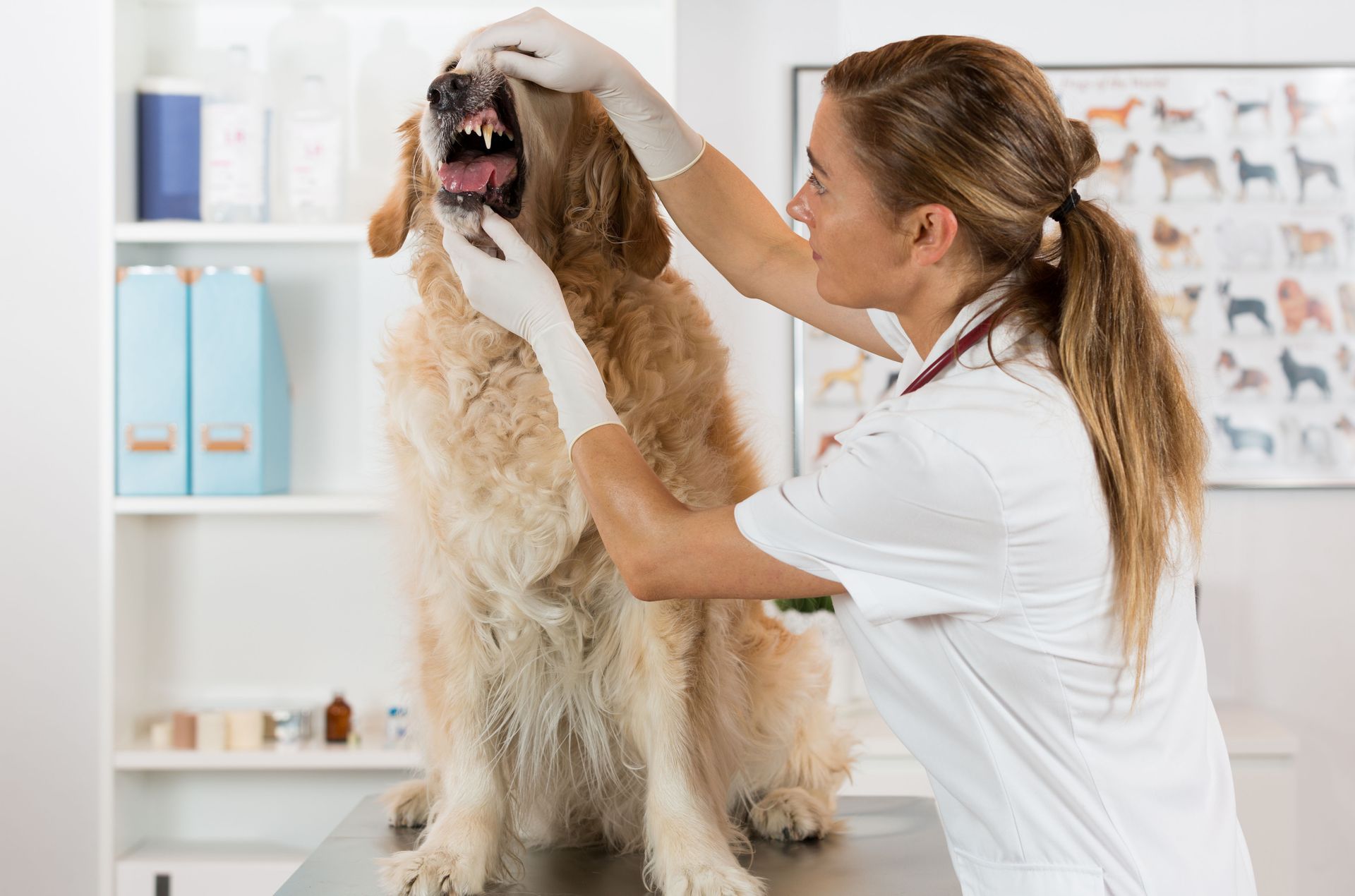
Dental health is closely connected to overall wellness. Plaque and tartar buildup can contribute to periodontal disease, discomfort, tooth loss, and infections that may affect other parts of the body. Regular dental examinations allow veterinarians to identify problems and recommend professional cleanings.
At-home care is equally important. Brushing, veterinarian-approved dental products, and appropriate dental diets can help reduce plaque accumulation. Maintaining oral hygiene supports comfortable eating and helps prevent complications associated with untreated dental disease.
Detecting and Managing Health Conditions Early
Recognizing Common Medical Conditions
Conditions such as diabetes, arthritis, kidney disease, and heart disease can affect pets as they age. Early recognition gives veterinarians more opportunities to manage symptoms and slow the progression of certain illnesses. Routine examinations and screenings can reveal problems before obvious symptoms develop.
Pet owners also play an important role by watching for changes in appetite, thirst, mobility, energy, and behavior. A local veterinarian can evaluate these observations and determine whether additional testing or treatment is necessary. Prompt attention may improve a pet's comfort and long-term outlook.
Using Diagnostic Tools and Technology
Modern diagnostic equipment helps veterinarians identify conditions that may not be apparent during physical examinations. Blood tests, urinalysis, digital radiography, and ultrasound can provide information about organ function, internal injuries, and other potential concerns.
These tools also help veterinary teams monitor existing conditions and evaluate treatments. Additional testing may reveal inherited health risks or provide more information about unusual symptoms. Accurate diagnostic information supports better-informed decisions about a pet's care.
Developing Individualized Treatment Plans
When a medical condition is diagnosed, treatment should reflect the animal's specific needs. Plans may include medication, dietary changes, activity adjustments, or additional procedures. Veterinarians consider factors such as age, medical history, and overall health when determining appropriate options.
Follow-up appointments are important for evaluating progress and identifying complications. A local veterinarian can adjust medications, recommend additional testing, and explain how owners can monitor their pets between visits. Consistent communication keeps treatment plans responsive to changing health needs.
Encouraging Informed Pet Ownership
Education helps owners recognize potential problems and make decisions that support their pets' health. Veterinary teams can explain preventive treatments, medication instructions, dietary recommendations, and warning signs that require attention. Understanding these details makes it easier for owners to follow care plans and respond when concerns arise.
Open communication also allows owners to discuss financial considerations, treatment preferences, and questions about their animals' conditions. When owners understand veterinary recommendations, they can participate more confidently in maintaining their pets' well-being.
Coordinating With Veterinary Specialists
Some conditions require advanced evaluation or treatment beyond the scope of general veterinary practice. Cardiologists, oncologists, dermatologists, and orthopedic specialists provide additional knowledge for complicated medical concerns. Referrals give pets access to specialized diagnostic services and treatment options.
A local veterinarian can coordinate referrals and share medical records with other providers to support continuity of care. This collaborative approach helps pets receive appropriate attention throughout diagnosis, treatment, and recovery.
Maintaining Healthy Weight and Physical Condition
Creating Individualized Nutrition Plans
Pets have different nutritional requirements depending on their age, size, activity level, and medical history. Puppies and kittens need diets that support development, while senior animals may benefit from adjustments that accommodate changing energy needs. Veterinarians can recommend appropriate food portions and feeding schedules.
Monitoring food intake also helps owners recognize changes that could indicate health problems. Sudden appetite changes deserve attention, particularly when accompanied by weight fluctuations or digestive symptoms. A local veterinarian can determine whether dietary adjustments or further evaluation are appropriate.
Managing Weight Through Exercise
Maintaining a healthy weight reduces unnecessary strain on a pet's joints and internal organs. Excess weight can contribute to diabetes, mobility problems, and cardiovascular concerns, potentially affecting lifespan and quality of life.
Regular physical activity helps pets maintain muscle strength and cardiovascular health. Dogs may benefit from walks and interactive games, while cats often respond well to climbing structures and toys. Exercise routines should reflect an animal's age and physical condition.
Adapting Veterinary Care as Pets Age
Addressing Age-Related Health Changes
Senior pets may experience reduced mobility, changes in vision or hearing, dental problems, and chronic medical conditions. More frequent examinations and diagnostic screenings can help identify these changes and guide treatment decisions.
Veterinarians may recommend adjustments to medication, nutrition, exercise, and daily routines as animals grow older. A local veterinarian can also help owners recognize signs of discomfort that pets may not communicate clearly.
Improving Comfort and Quality of Life
Comfort becomes increasingly important as pets enter their senior years. Supportive bedding, accessible food and water stations, and manageable exercise routines can make everyday activities easier. Animals experiencing arthritis or other chronic conditions may also benefit from appropriate pain management.
Regular communication with the veterinary team helps owners evaluate changes in mobility, appetite, and behavior. These discussions support decisions that prioritize comfort while addressing medical needs.
For pet owners seeking attentive veterinary care, Germantown Farmington Animal Hospital can be a resource for supporting their animals' health at every life stage. Scheduling routine appointments and maintaining open communication with the veterinary team can help beloved companions enjoy longer, healthier, and more comfortable lives.