
🍂 Fall Allergies Are Still Here – Don’t Let Your Pet Suffer! 🐾
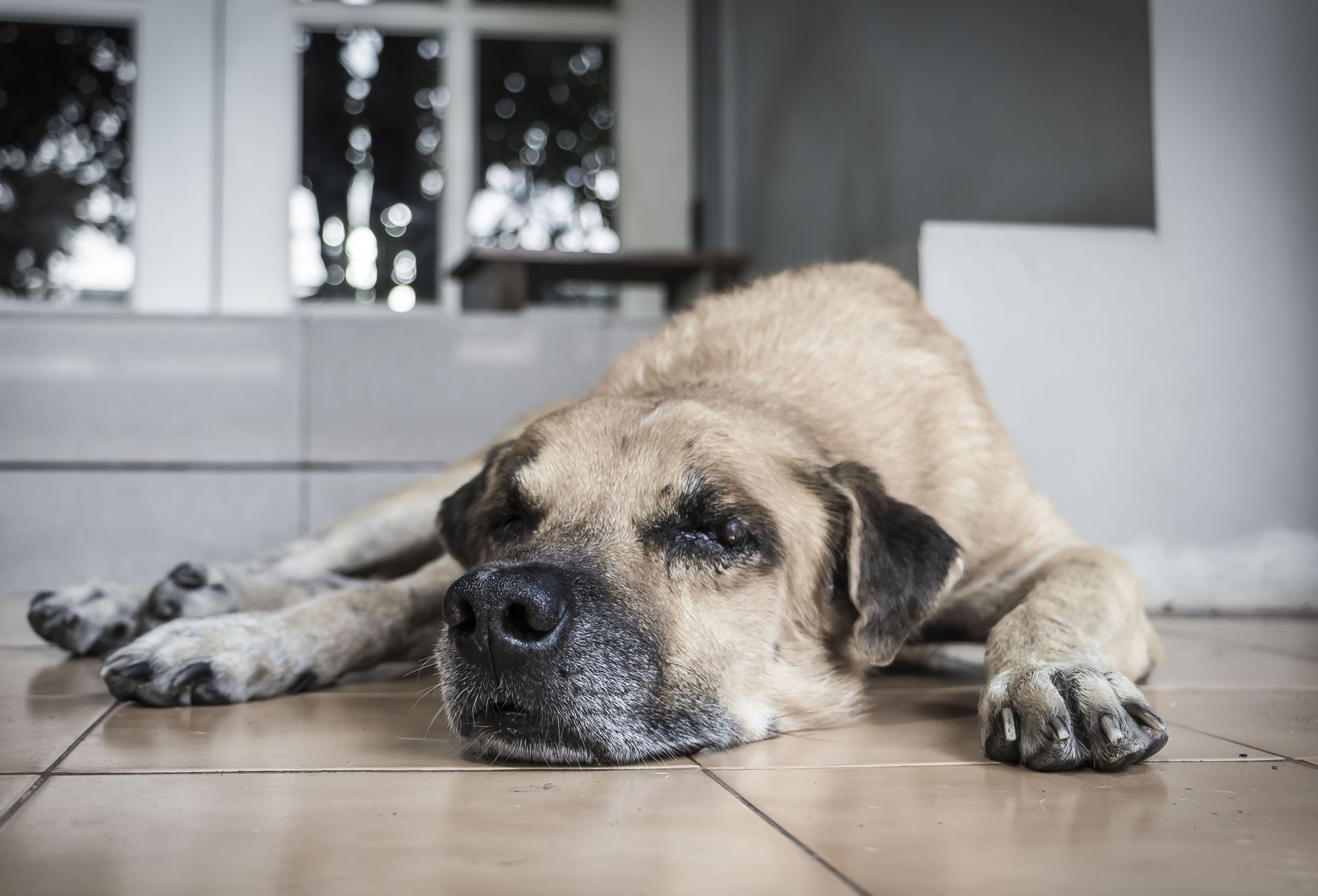
Allergies aren’t just a spring problem. Fall and winter can trigger itching, ear infections, and skin irritation.
We offer 💊 Cytopoint, Apoquel, Zenrelia, and soothing 🛁 shampoos to help your pet feel better fast.
Call Our Office Today to Speak with Our Team to Learn More or to Schedule Your Appointment!
October 13, 2026
Dogs' healthcare needs change as they move from energetic puppies to mature adults and seniors. Nutrition, exercise, preventive care, mobility, and even behavior can all shift with age. Understanding these changes helps pet owners recognize potential concerns and seek appropriate veterinary guidance. Because every dog is different, an animal hospital can help create a care plan based on a pet's age, breed, lifestyle, and individual health needs.
Supporting Early Adult Health
Adjusting Nutrition and Exercise
As dogs enter adulthood, their nutritional needs differ from those of growing puppies. A balanced diet should provide appropriate amounts of protein, fats, vitamins, and other nutrients while accounting for the dog's size and activity level. Portion control is also important because excess weight can contribute to joint problems and other health concerns.
Exercise remains important for maintaining muscle strength, cardiovascular health, and a healthy weight. However, exercise needs vary considerably between individual dogs. According to Reader's Digest, there are over 350 dog breeds in the world. Breed, size, age, and overall health can all influence how much physical activity a dog needs. Veterinary guidance can help owners establish an appropriate routine.
Monitoring Preventive Health
Early adulthood is an important time to establish healthy habits and monitor potential concerns. Dogs can develop conditions involving their joints, skin, heart, or other body systems, even when they appear healthy. Regular veterinary evaluations allow professionals to look for changes and recommend appropriate preventive care.
Vaccinations and parasite prevention should also remain part of a dog's healthcare plan. Depending on the dog's lifestyle and risk factors, veterinary professionals may recommend protection against conditions spread by fleas, ticks, mosquitoes, and other sources. Keeping records of vaccinations and preventive treatments makes it easier to maintain consistent care.
Maintaining Dental Health
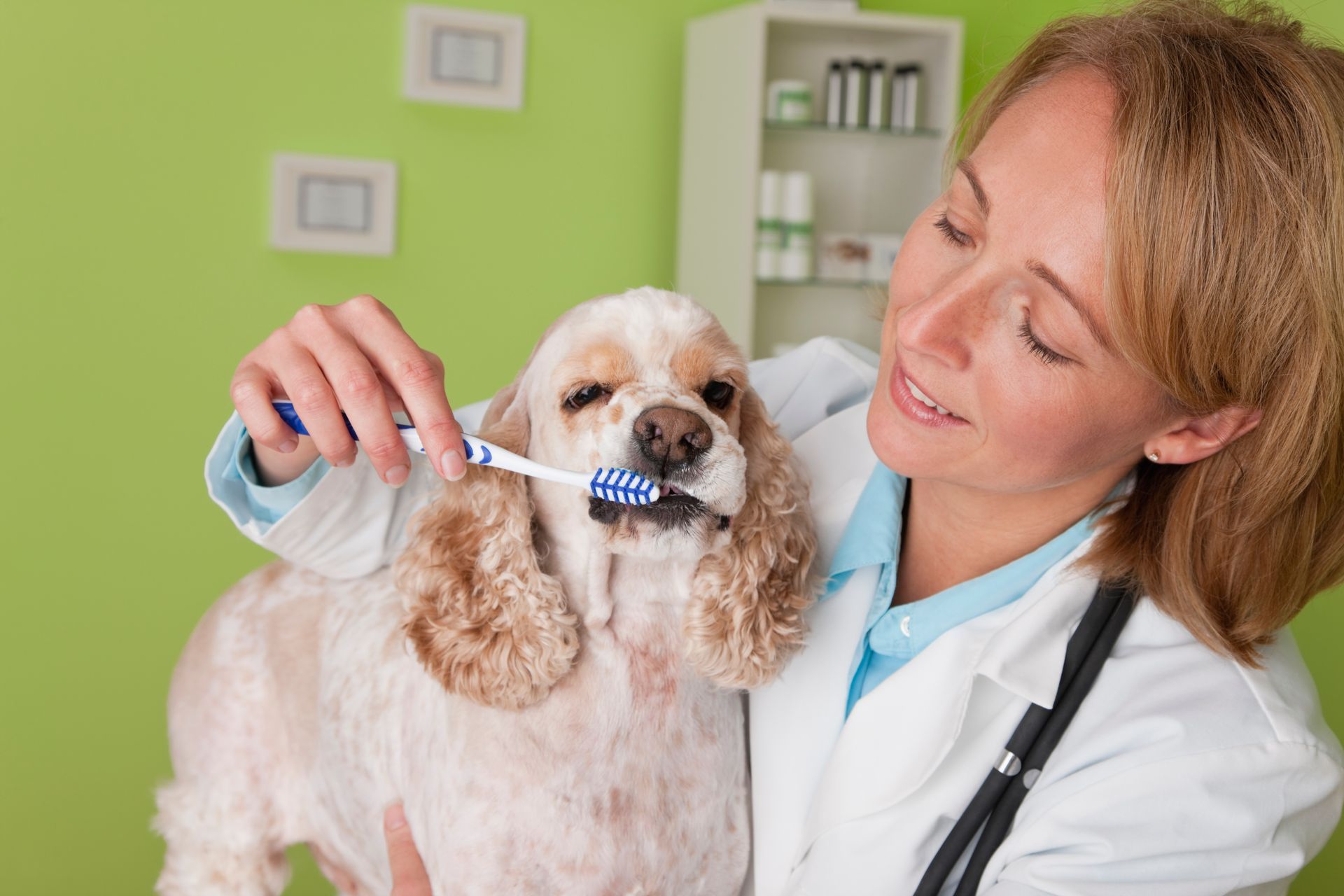
Dental care should not be overlooked as dogs enter adulthood. Plaque and tartar can contribute to periodontal disease, discomfort, and other oral problems. Regular brushing at home, appropriate dental products, and professional dental evaluations can help support better oral health. An animal hospital can provide guidance when a dog needs additional dental care or evaluation.
Managing Middle-Age Changes
Recognizing Mobility Problems
Middle-aged dogs may begin showing subtle changes in mobility. Stiffness after resting, hesitation on stairs, difficulty jumping, or reluctance to participate in favorite activities can indicate discomfort. These symptoms should not simply be dismissed as a normal part of aging.
A veterinary professional can evaluate mobility changes and determine whether an underlying condition may be contributing to them. Depending on the situation, recommendations may include weight management, modified exercise, medications, or other supportive measures. An animal hospital can also help monitor how a dog's mobility changes over time.
Managing Weight and Metabolism
A dog's metabolism may slow with age, making weight management increasingly important. Carrying excess weight places additional stress on the joints and can contribute to other health concerns. Owners should monitor body condition and discuss appropriate portions and dietary needs with their veterinarian.
Exercise should also be adjusted as necessary. A middle-aged dog may still enjoy walks and playtime, but activities may need to become less strenuous if mobility or stamina changes. A balanced approach can help dogs remain active without placing unnecessary strain on their bodies.
Watching Skin and Coat Changes
Changes in a dog's skin or coat can sometimes provide clues about overall health. Persistent itching, hair loss, dandruff, irritation, or changes in skin texture may have several possible causes, including allergies or other underlying conditions. Regular grooming gives owners an opportunity to notice unusual changes early.
Any persistent or concerning symptoms should be discussed with a veterinary professional at an animal hospital. Identifying the underlying cause can help determine the most appropriate treatment and prevent a minor concern from becoming more disruptive.
Screening for Chronic Conditions
Middle age can also be a useful time to pay closer attention to conditions that may develop gradually. Diabetes, heart problems, kidney disease, and other chronic conditions may not always produce obvious symptoms at first. Physical examinations and recommended diagnostic testing can help identify changes that might otherwise go unnoticed.
Adapting Care for Senior Dogs
Addressing Cognitive Changes
Senior dogs may experience changes in memory, awareness, sleep patterns, or interactions with family members. A dog that seems confused, becomes restless at night, or behaves differently may be experiencing a medical or cognitive issue rather than simply becoming difficult.
Owners should discuss noticeable behavioral changes with their veterinarian. Depending on the underlying cause, management may involve environmental adjustments, nutritional support, medication, or other strategies designed to maintain comfort and quality of life.
Managing Pain and Arthritis
Arthritis and other sources of chronic pain can make everyday activities more difficult for older dogs. Changes such as avoiding stairs, moving slowly, struggling to stand, or becoming less interested in play may signal discomfort.
Veterinary professionals can recommend individualized approaches to pain management. These may include medications, weight management, modified activity, or other supportive treatments. Providing comfortable bedding and reducing slippery surfaces at home can also make daily movement easier.
Adjusting Exercise and Grooming
Senior dogs still benefit from physical and mental activity, but their routines may need to change. Shorter walks, gentle activities, and mentally stimulating games can provide enrichment without excessive strain. Owners should pay attention to signs of fatigue or discomfort and adjust activities accordingly.
Grooming may also require additional care. Older dogs can have more sensitive skin and reduced mobility, so gentle handling is especially important. Grooming sessions can also provide opportunities to identify unusual lumps, skin changes, or other concerns that warrant professional attention.
Improving Home Comfort
Small changes around the home can make a significant difference for aging dogs. Non-slip flooring, ramps, orthopedic bedding, and easily accessible food and water can help reduce unnecessary strain. Keeping important resources in convenient locations may also help dogs with limited mobility or vision changes navigate their environment more comfortably.
Responding to Behavioral Changes
Identifying Potential Causes
Behavioral changes can occur at any age, but they may become more noticeable as dogs grow older. Increased anxiety, withdrawal, aggression, vocalization, or changes in house-training habits can sometimes be associated with pain, sensory changes, cognitive issues, or other medical concerns.
Instead of assuming a behavior is simply caused by age, owners should discuss significant changes with a veterinary professional. An animal hospital can evaluate potential medical contributors and help determine whether additional behavioral support may be appropriate.
Providing Consistent Enrichment
Mental stimulation remains important throughout a dog's life. Puzzle feeders, interactive toys, scent-based games, and gentle training exercises can help keep older dogs engaged. Activities should be adapted to the dog's physical abilities and cognitive needs.
Maintaining a predictable daily routine can also help reduce stress. Consistent meal times, walks, rest periods, and interactions can give aging dogs a greater sense of familiarity and security.
Maintaining Lifelong Veterinary Care
Adapting Visits to Life Stages
Veterinary care should evolve as a dog's needs change. Younger dogs may require more attention to vaccinations, development, nutrition, and parasite prevention, while middle-aged and senior dogs may benefit from increased monitoring for chronic or age-related conditions.
Regular visits allow veterinarians to establish a baseline for a dog's health and identify changes over time. Depending on the dog's age and health status, veterinary professionals may recommend physical examinations, blood work, dental evaluations, or other diagnostic testing.
Keeping Health Records Current
Detailed health records can make ongoing care easier. Vaccination histories, test results, medications, previous diagnoses, and other important information help veterinary professionals understand a dog's medical background. These records can become especially valuable if a dog needs emergency treatment or specialty care.
Building a Long-Term Care Plan
The goal of veterinary care is not simply to respond to illness. It is also to help dogs remain comfortable, active, and healthy throughout their lives. Owners can support this goal by monitoring changes at home, maintaining appropriate nutrition and activity, following preventive-care recommendations, and communicating concerns promptly.
If you want to help your dog receive appropriate care through every stage of life, contact Germantown Farmington Animal Hospital to discuss your pet's individual veterinary needs.