
🍂 Fall Allergies Are Still Here – Don’t Let Your Pet Suffer! 🐾
Allergies aren’t just a spring problem. Fall and winter can trigger itching, ear infections, and skin irritation.
We offer 💊 Cytopoint, Apoquel, Zenrelia, and soothing 🛁 shampoos to help your pet feel better fast.
Call Our Office Today to Speak with Our Team to Learn More or to Schedule Your Appointment!
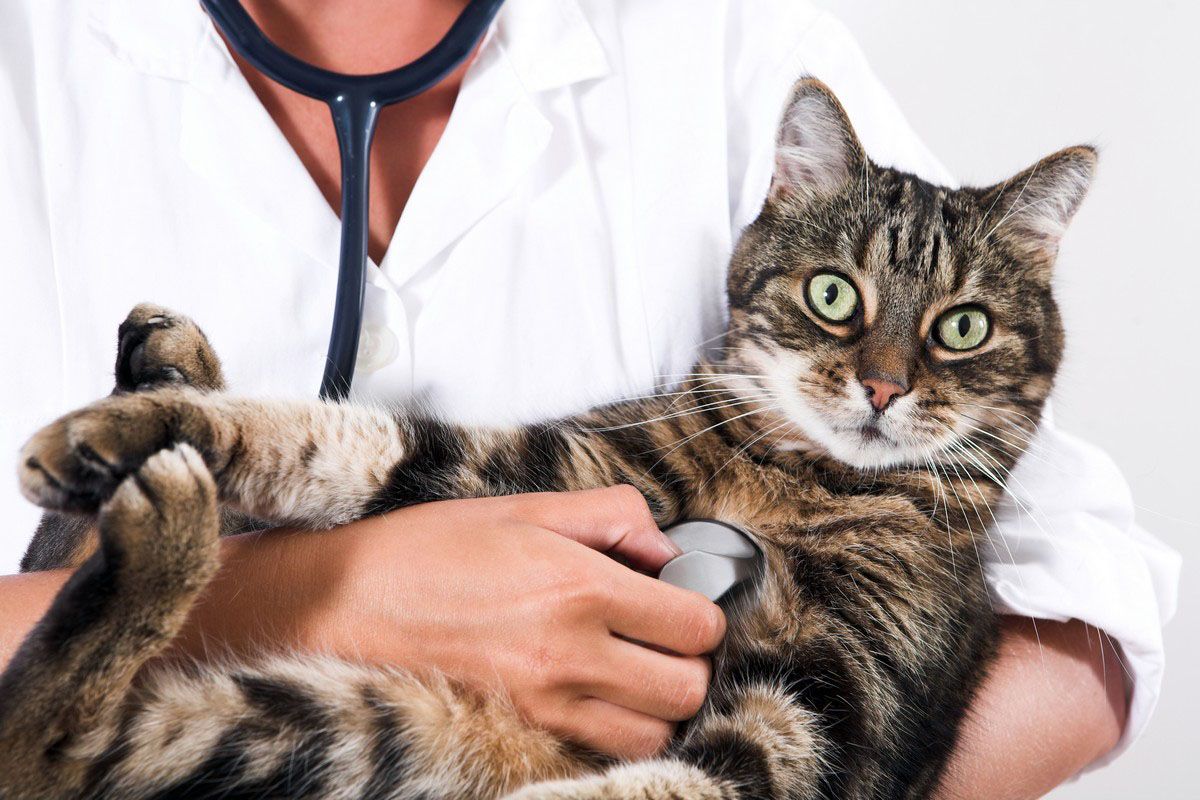
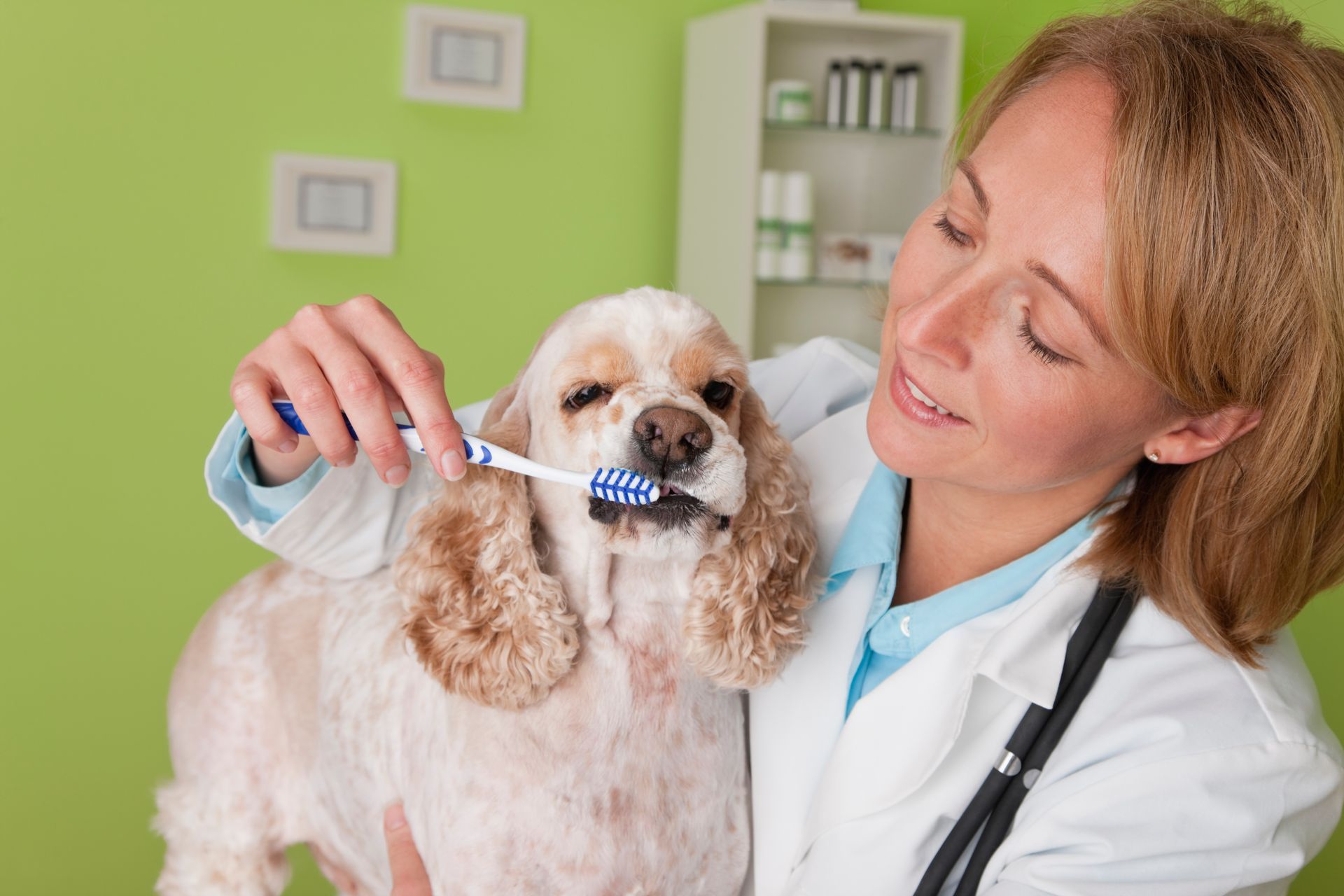
Taking a pet to the vet can feel overwhelming for both animals and their owners. Many pets become anxious when they leave familiar surroundings or encounter new sounds, smells, and people. Preparing ahead of time can make the experience smoother and less stressful while helping the veterinary team provide the best possible care. Whether your pet is visiting an animal hospital for a routine wellness check, vaccinations, or a health concern, thoughtful preparation can help create a calmer experience from start to finish.
Pets are cherished companions in many households. According to the American Veterinary Medical Association, 88.8% of dog owners and 84.7% of cat owners view their pets as members of the family. Because pets hold such an important role in daily life, helping them feel safe and comfortable during veterinary visits is a priority for many owners. Proper preparation can strengthen trust between pets and caregivers while supporting long-term health and wellness.
Create Positive Associations
Pets often react to veterinary visits based on past experiences and emotional associations. Creating positive feelings around travel carriers, leashes, vehicles, and veterinary settings can help reduce fear before an appointment at an animal hospital. Allowing pets to explore their carriers or travel equipment in a relaxed environment can make these items feel less intimidating.
Offering praise, affection, or favorite treats near carriers or during short practice trips can help pets build confidence. Calm exposure to travel routines may also reduce nervous behaviors during the actual appointment day. Gentle encouragement and patience are important because pets can sense tension from their owners.
A familiar blanket or favorite toy may also provide reassurance during transportation. Comfort items carrying familiar scents can help pets feel more secure while visiting an animal hospital. Small adjustments in routine can make a significant difference in helping pets remain calm throughout the experience.
Gather Important Information
Veterinary appointments often move more smoothly when pet owners prepare essential information ahead of time. Bringing medical records, medication details, dietary information, and notes about behavioral changes can help the veterinary team better understand a pet’s overall condition.
Owners should pay attention to unusual symptoms before the visit. Changes in appetite, sleeping habits, mobility, energy levels, or bathroom routines may provide valuable insight during the examination. Writing down concerns beforehand can help prevent important details from being forgotten during the appointment.
For pets visiting a new animal hospital, providing vaccination records and previous treatment history helps establish continuity of care. Accurate information allows veterinarians to make informed recommendations tailored to the pet’s needs.
If multiple family members care for the pet, discussing observations together before the visit can provide a clearer picture of the animal’s health and habits. Collaboration often helps identify concerns that may otherwise go unnoticed.
Maintain Calm Travel Routines
Transportation can be one of the most stressful parts of a veterinary visit for pets. Loud noises, unfamiliar movement, and changes in routine may trigger anxiety. Creating a calm travel environment can help pets feel safer on the way to an animal hospital.
Cats should travel in secure carriers that allow proper ventilation and stability. Covering part of the carrier with a light blanket may help reduce visual stimulation and create a sense of security. Gentle handling while lifting or carrying the crate can also prevent unnecessary stress.
Leaving early for the appointment may also improve the experience. Rushing often increases stress for both owners and pets. Extra time allows pets to settle gradually instead of reacting to hurried movement or tension.
Some pets may experience motion discomfort during travel. Owners should discuss these concerns with veterinary professionals before the visit rather than attempting home remedies. Veterinary guidance can help determine the safest and most appropriate options for travel-related issues.
Support Comfort Before Arrival
Preparing pets physically and emotionally before arriving at an animal hospital can help create a more positive appointment experience. Exercise, bathroom breaks, and a predictable routine may help pets feel calmer before leaving home.
Dogs often benefit from gentle activity before appointments because movement may release nervous energy. A calm walk can help encourage relaxation before entering the veterinary environment. Cats may benefit more from quiet surroundings and limited stimulation before travel.
Using calm body language also plays an important role. Pets frequently respond to emotional cues from their owners. Speaking softly, remaining patient, and handling pets gently can help reinforce feelings of safety throughout the process.
Waiting areas may feel overwhelming for some animals because of unfamiliar scents, sounds, or nearby pets. Maintaining a comfortable distance from other animals when possible may help reduce tension. Owners can also ask the veterinary staff about quieter waiting arrangements if their pets become highly anxious in busy environments.
Preparation before arrival supports smoother interactions once pets enter the clinic. Calm pets are often easier to examine, which helps veterinary professionals perform more thorough evaluations with less stress for everyone involved.
Communicate Clearly With Veterinary Staff
Open communication between pet owners and veterinary professionals is essential during any appointment at an animal hospital. Sharing accurate information about a pet’s health, behavior, and concerns allows the veterinary team to provide personalized care.
Owners should mention any fears, anxieties, or previous negative experiences their pets may have had during veterinary visits. Understanding these concerns helps veterinary professionals adjust handling techniques and create a more supportive environment.
Questions should never feel rushed or unimportant. Veterinary appointments provide opportunities to discuss preventive care, treatment plans, recovery expectations, and lifestyle recommendations. Clear conversations help owners feel more confident about caring for their pets after the visit.
If pets require follow-up care, owners should carefully review instructions before leaving the clinic. Understanding medication schedules, dietary recommendations, activity restrictions, or monitoring guidelines helps support recovery and ongoing wellness.
Veterinary teams appreciate proactive communication because it improves patient care and strengthens trust between owners and medical professionals. Collaborative relationships often lead to better long-term outcomes for pets.
Reinforce Positive Experiences Afterward
The experience after a veterinary appointment can influence how pets react to future visits. Reinforcing positive feelings after leaving an animal hospital may help reduce fear during future appointments.
Providing praise, affection, favorite activities, or relaxing time at home can help pets recover emotionally after the visit. Calm reassurance may encourage pets to associate veterinary trips with safety and comfort rather than fear alone.
Owners should monitor pets after appointments for any unusual reactions or behavioral changes. If concerns arise, contacting veterinary professionals promptly is important. Following aftercare recommendations carefully also supports recovery and comfort.
Consistency matters when helping pets build confidence over time. Calm preparation, supportive handling, and positive reinforcement during every visit can gradually reduce anxiety and improve cooperation.
Routine veterinary care plays an important role in supporting long-term health. Pets that become more comfortable with appointments are often easier to examine and treat throughout their lives. Reducing stress benefits both pets and their caregivers while encouraging regular preventive care.
Building trust takes patience, especially for animals with previous fears or traumatic experiences. Gentle handling and consistent routines can help many pets feel more secure with each veterinary visit over time.
Preparing pets for veterinary visits involves more than simply arriving on time for an appointment. Thoughtful planning, calm handling, organized communication, and positive reinforcement all contribute to a smoother experience for pets and owners alike. From travel preparation to post-visit reassurance, every step can help reduce anxiety and support a more comfortable experience at an animal hospital.
Veterinary care is an essential part of maintaining a pet’s health, comfort, and quality of life. When owners take time to prepare thoughtfully, appointments often become less stressful and more productive. Creating positive veterinary experiences can strengthen trust, encourage regular care, and support pets throughout every stage of life.
If your pet needs compassionate veterinary care, Germantown Farmington Animal Hospital is here to help. Our team is committed to supporting your pet’s comfort, wellness, and long-term health while providing the attentive care your family deserves.